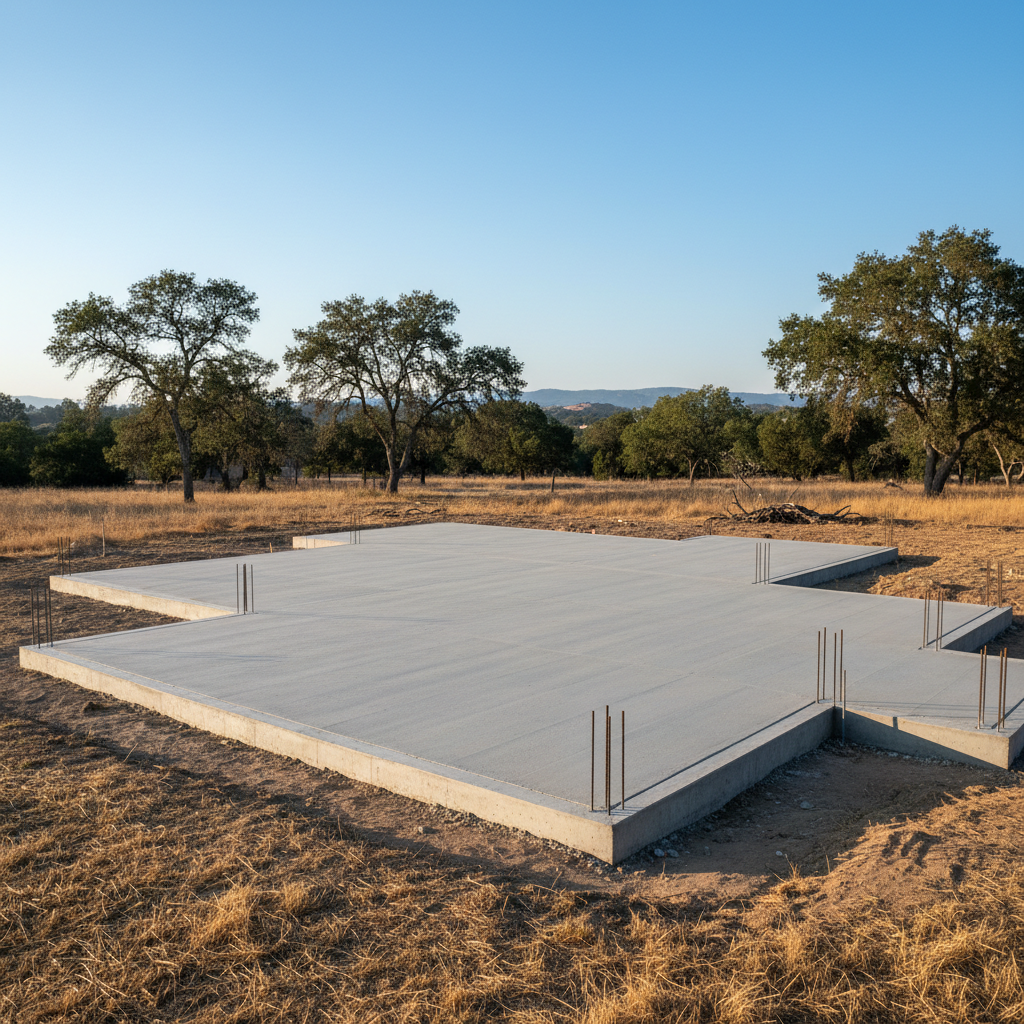
So, you're thinking about putting in a new concrete foundation. Maybe it's for an addition, a new garage, or even a whole new build. That's a big deal, right? And it's definitely not something you want to rush into without a good plan. I've seen a lot of foundation projects come and go in this town, and I can tell you, the ones that go smoothly are always the ones where the homeowner did their homework first. Let's talk about what that homework looks like.
Understanding Your Project Timeline
A concrete foundation isn't a weekend DIY job, not even for the most ambitious folks out there. The timeline can vary a lot depending on the size and complexity of your project, but here's a general breakdown of what you're looking at:
- Initial Planning & Permits (2-8 weeks): This is where you get your plans drawn up by an engineer or architect. Then you submit them to the City of Stockton for approval. Don't underestimate this part; permitting can really take its sweet time, especially if there are any red flags or revisions needed. You can't even break ground until you've got that permit in hand, can you?
- Site Preparation (1-3 days): Once those permits are squared away, we're talking about clearing the land, grading it to the right level, and making sure the site is ready for excavation.
- Excavation & Forms (2-5 days): This is when we dig out for the footings and the slab, and then set up the wooden forms that will hold the concrete in place. This step has to be precise.
- Rebar & Inspections (1-2 days): Steel rebar goes down next to give your foundation strength. Before any concrete is poured, a city inspector will come out to make sure everything, especially the rebar and forms, meets code. This is a critical step; if it fails, we can't pour.
- Concrete Pour (1 day): This is the big day! Trucks arrive, and the concrete flows into the forms. It's a busy, fast-paced operation.
- Curing (7-28 days): After the pour, the concrete needs time to cure. It doesn't just dry; it actually hardens chemically. You can't put a building on it right away. The longer it cures properly, the stronger it gets. We'll often keep it moist, especially with our hot Stockton summers, to make sure it cures right and doesn't crack prematurely.
- Backfilling & Finishing (1-3 days): Once it's cured enough, we remove the forms, backfill around the foundation, and do any final grading.
So, from start to finish, you're easily looking at anywhere from 6 weeks to 3 months, or even more for larger projects. Patience is key here, no doubt about it.
What to Expect During the Process
It's going to be a construction zone, plain and simple. You'll have equipment, materials, and people coming and going. Here's what else you should anticipate:
- Noise: Excavators, concrete trucks, generators – it's not going to be quiet. Warn your neighbors if you're in a tight residential area.
- Dust & Dirt: We're moving earth. There will be dust, especially on dry, windy days. We do our best to manage it, but it's just part of the deal.
- Limited Access: Parts of your property might be inaccessible for periods. Plan ahead if you need to get to a certain area.
- Inspections: As I mentioned, city inspectors will be on site at various stages. This is normal and necessary to make sure everything is built safely and to code. Don't worry, we handle coordinating these.
- Communication: A good contractor, like Stockton Concrete Contractors, will keep you in the loop. We'll tell you what's happening next and if there are any unexpected delays.
How to Prepare Your Property
Before any crew shows up, there are a few things you can do to make the process smoother:
- Clear the Area: Remove anything from the project site – sheds, landscaping, old debris, anything that's in the way.
- Mark Utilities: Call 811 before you dig! This is non-negotiable. They'll mark underground utility lines (gas, water, electric, sewer). You really don't want to hit one of those.
- Access: Make sure there's clear access for large equipment and concrete trucks. This might mean trimming trees or moving vehicles.
- Protect Nearby Structures: If the foundation is close to your existing home or other structures, talk to your contractor about how they plan to protect them from damage.
- Water & Power: We'll need access to water for mixing and cleaning, and sometimes power for tools. Make sure these are available on site.
Questions to Ask Before Signing a Contract
This is where you protect yourself and ensure you're getting a quality job. Don't be shy. Ask these questions:
- Are you licensed and insured in California? Get their license number and verify it with the CSLB (Contractors State License Board). Ask for proof of liability insurance and worker's comp. This protects you if something goes wrong.
- Can you provide references from recent foundation projects? Talk to those homeowners. Ask about their experience, communication, and if the project stayed on budget and schedule.
- What's included in the bid? Get a detailed breakdown. Does it include excavation, rebar, forms, concrete, pumping, inspections, backfill, and site cleanup? What about permit fees? Make sure there are no hidden costs.
- What's your process for handling unexpected issues? Sometimes you hit a rock, or the soil isn't what was expected. How do they communicate this, and how do they handle change orders?
- What kind of warranty do you offer on the foundation? A good contractor stands behind their work. Understand what's covered and for how long.
- How do you ensure proper curing, especially with Stockton's heat? This is important for long-term strength. We often use curing compounds or keep the slab wet.
- What's the payment schedule? Never pay the full amount upfront. A typical schedule involves an initial deposit, progress payments, and a final payment upon satisfactory completion.
Choosing the right contractor for your concrete foundation is a huge decision. Take your time, ask the tough questions, and make sure you feel comfortable with who you're hiring. A solid foundation is literally the base of your project, so get it right.